The entrepreneur always searches for change, responds to it, and exploit it as an OPPORTUNITY.
- Peter Drucker
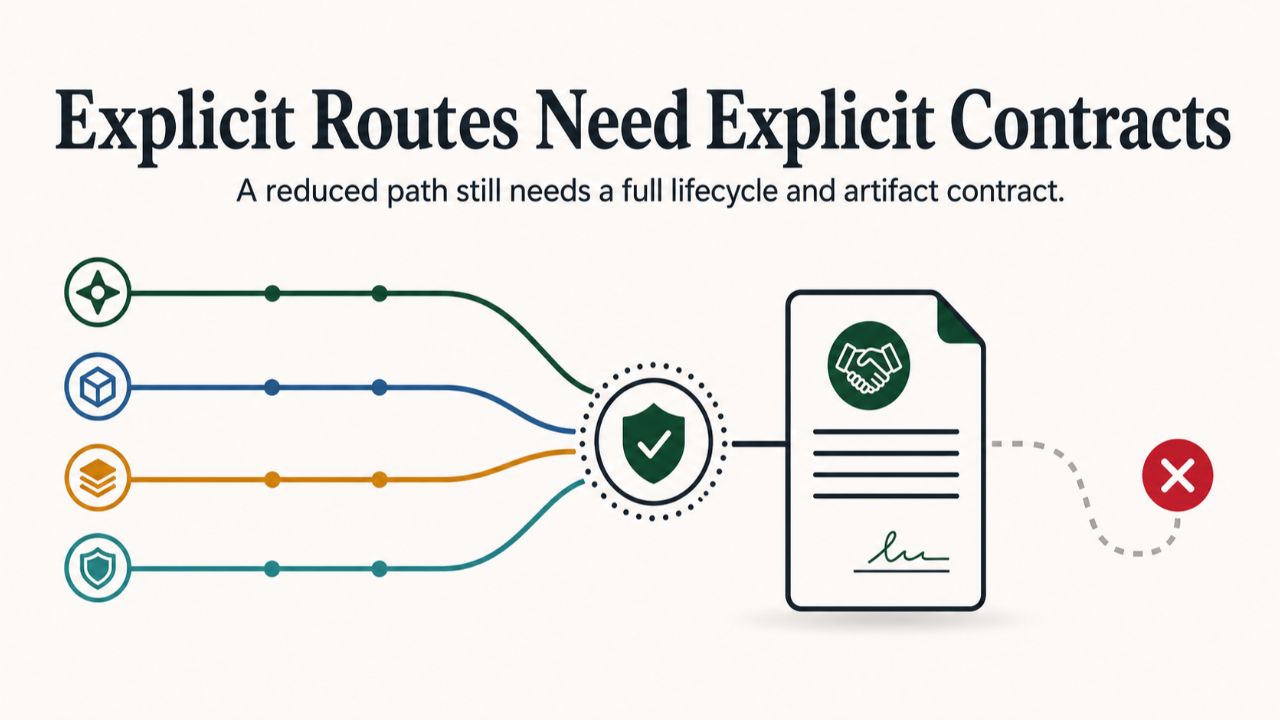
Shortcut routes can make governed workflows easier to operate, but they are risky when the route name hides which stages, audits, and artifacts actually exist. A reduced path still needs a complete contract.
Opening
Shortcut paths are useful until they become ambiguous.
In a governed workflow, a ...
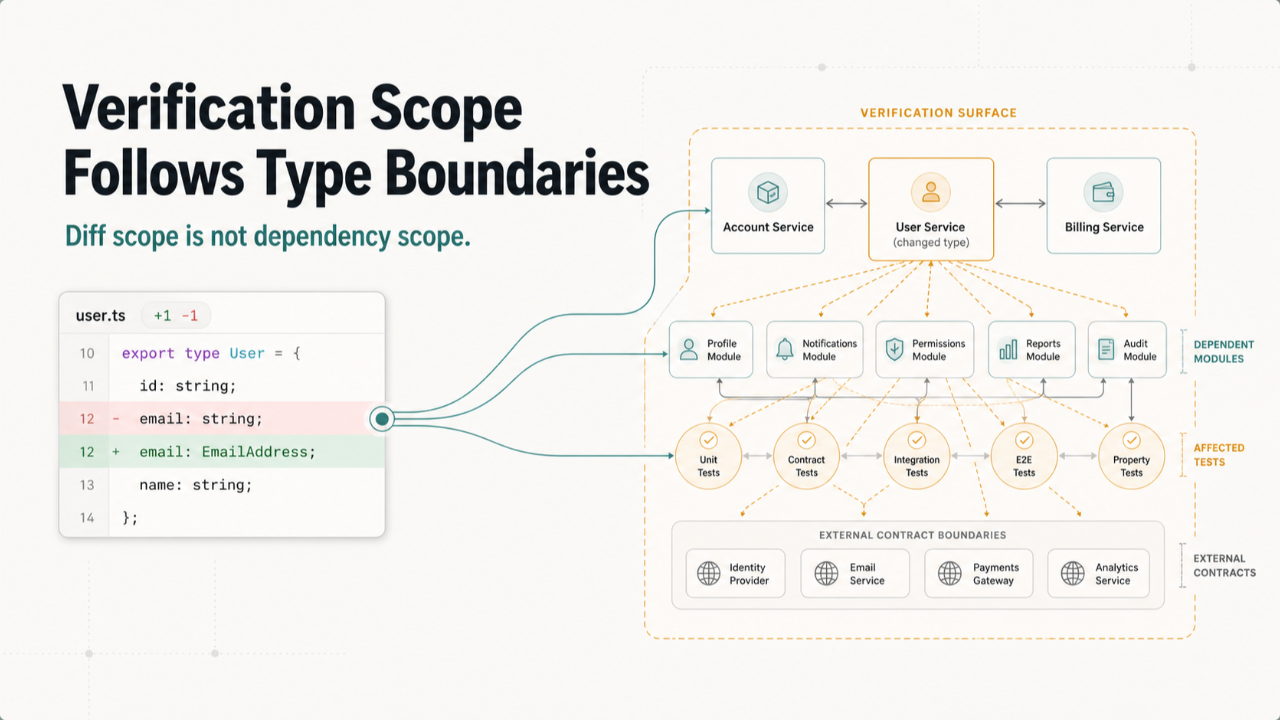
Small changes can have wide verification needs when they modify a shared contract. The right test scope follows the type, schema, event, or interface boundary that consumers rely on, not only the files edited in the patch.
Opening
Some bugs are not missed because nobody tested. They are missed bec...
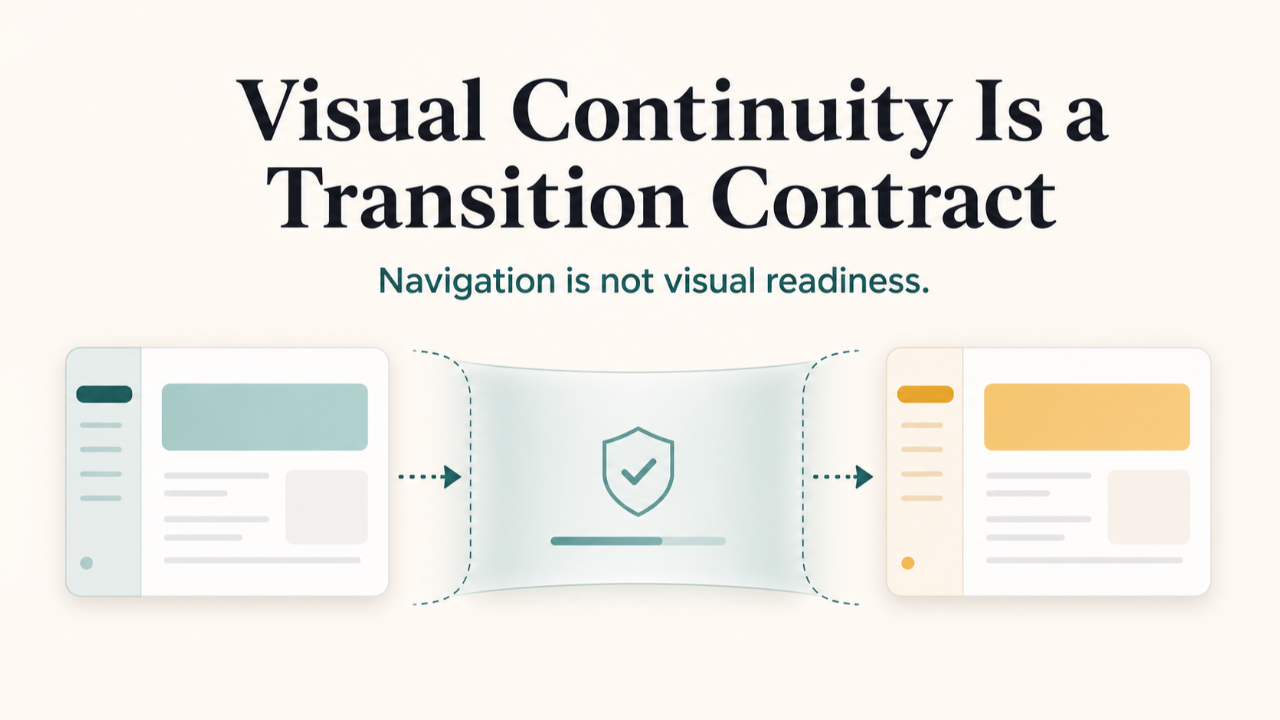
Some product bugs look smaller than they are because the final state is correct.
A user clicks, the right record is created, the URL eventually changes, and the destination screen eventually appears. On paper, the flow works.
But the user does not live on paper. The user lives in the handoff.
If ...
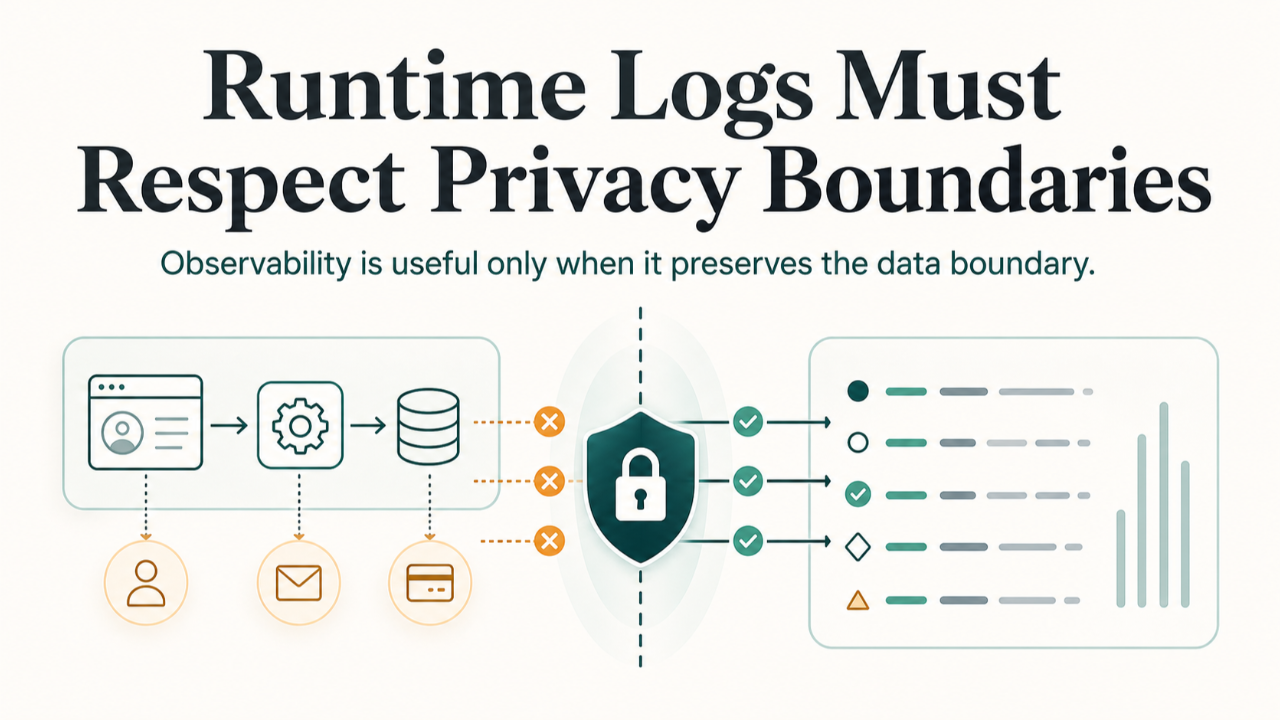
Logging cleanup sounds small until the logs sit inside authenticated product flows.
At that point, the question is not whether a message is noisy. It is whether runtime output can expose user-derived data, identifiers, records, transcriptions, generated content, invite details, metadata, or enough ...
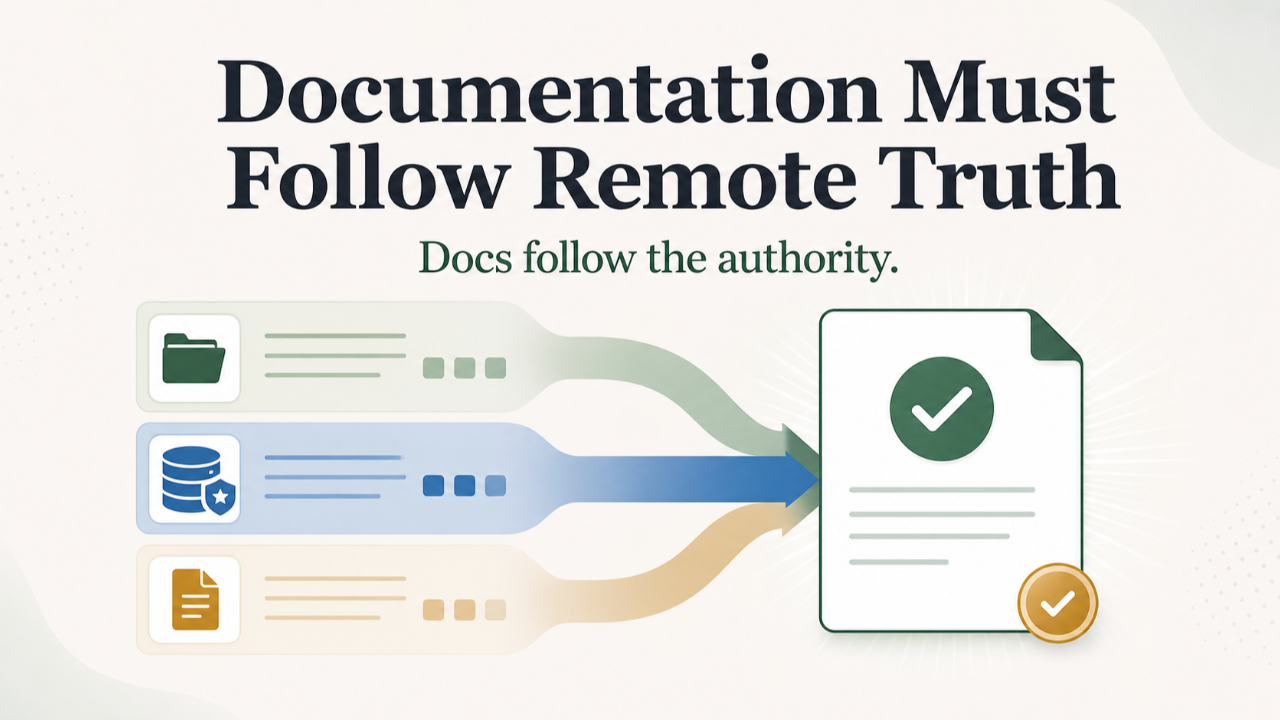
Some of the riskiest work looks like housekeeping.
A README needs cleanup. A migration table needs updating. A status note is out of date. The final diff may only touch documentation, so the task feels safe.
But if the document describes a live system, the documentation is not the authority. It is...
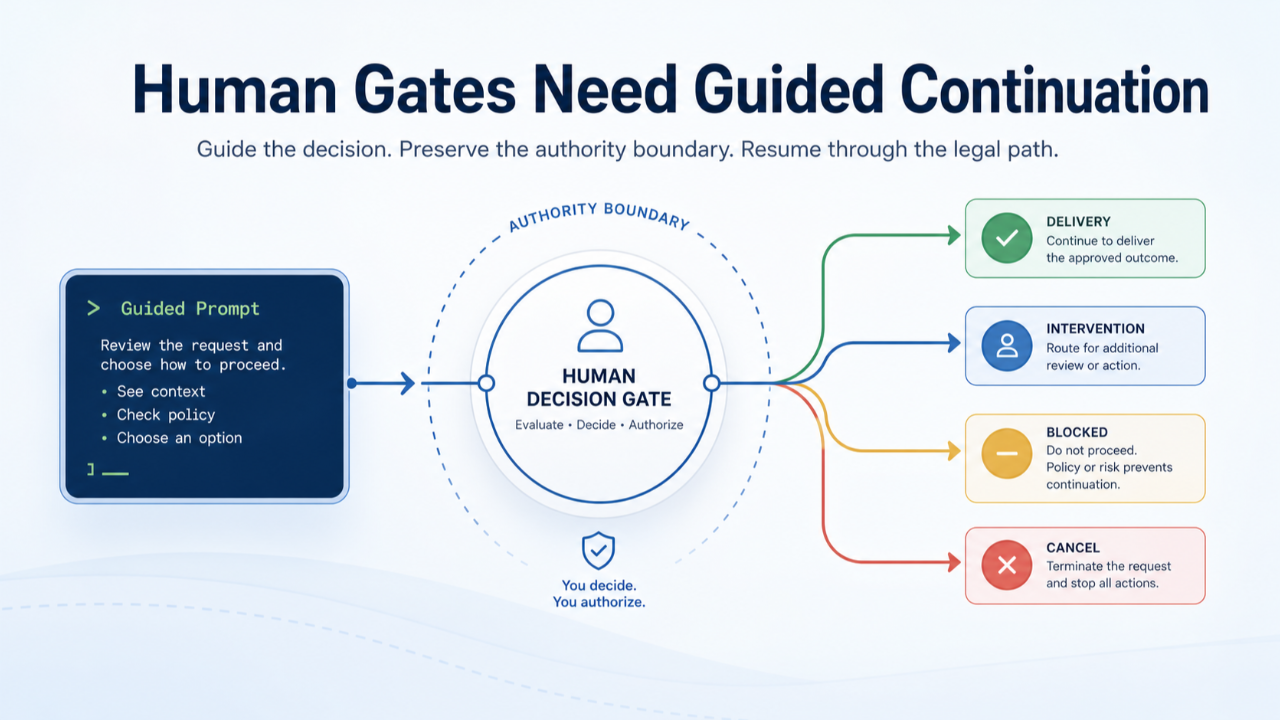
A human gate is not finished when the system prints instructions. It is finished when the operator can make the decision, the workflow records that decision through the authoritative surface, and the next legal path resumes without forcing the operator to become the lifecycle engine.
The Surface Pr...
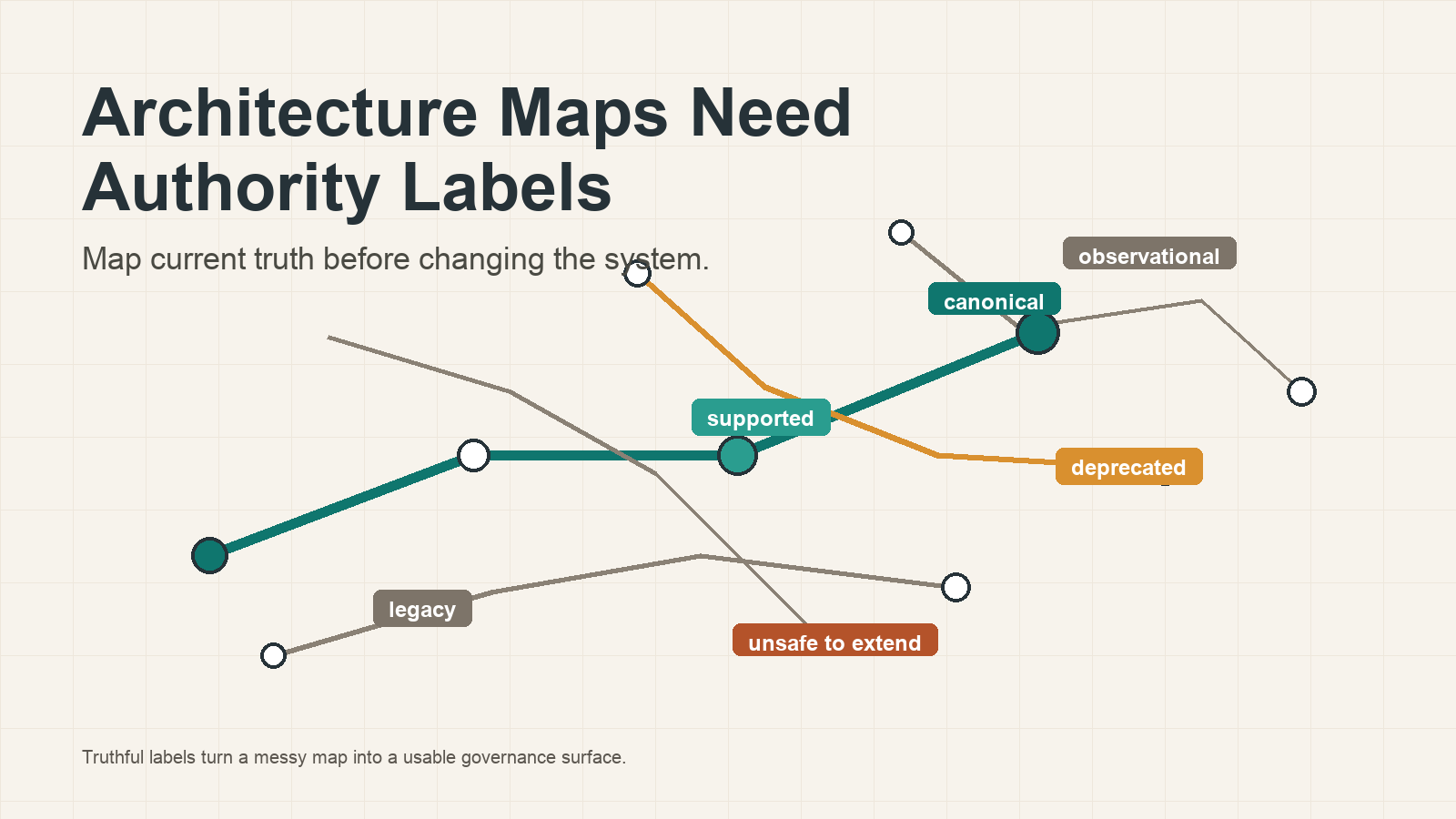
A system map is only useful when it tells future workers which paths are authoritative, supported, legacy, deprecated, observational, or unsafe to extend.
The Surface Problem
The surface problem looked like missing documentation.
There were several command paths, scaffolding paths, wrappers, and ...
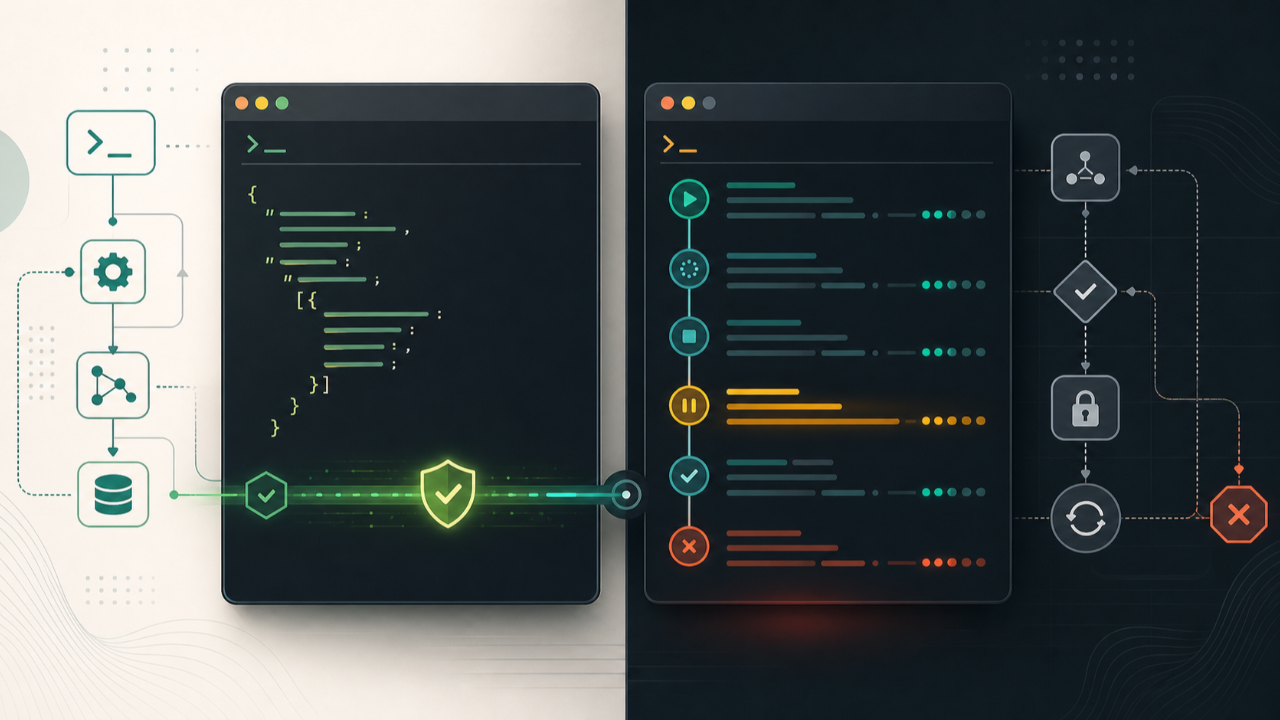
Some engineering tasks look like polish until they touch a contract.
"Add progress logs" sounds small. A long-running controller is hard to watch, and an operator needs to know whether the system is dispatching work, waiting at a gate, retrying, or failing. Human-visible progress is a reasonable re...
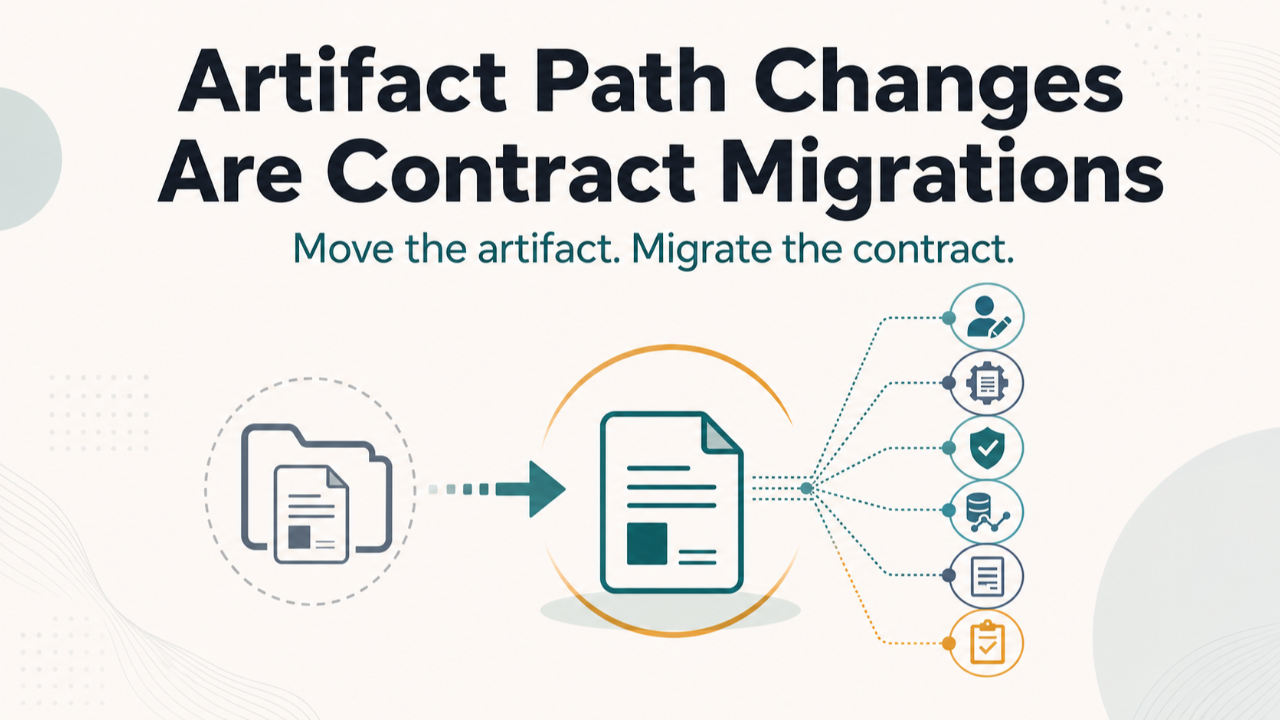
Some cleanup work looks small from the outside. A workflow has an artifact in the wrong format or folder. The fix appears to be: move it, rename it, and update the reference.
In a governed workflow, that is rarely enough.
If an artifact is written by automation, read by another step, validated by ...
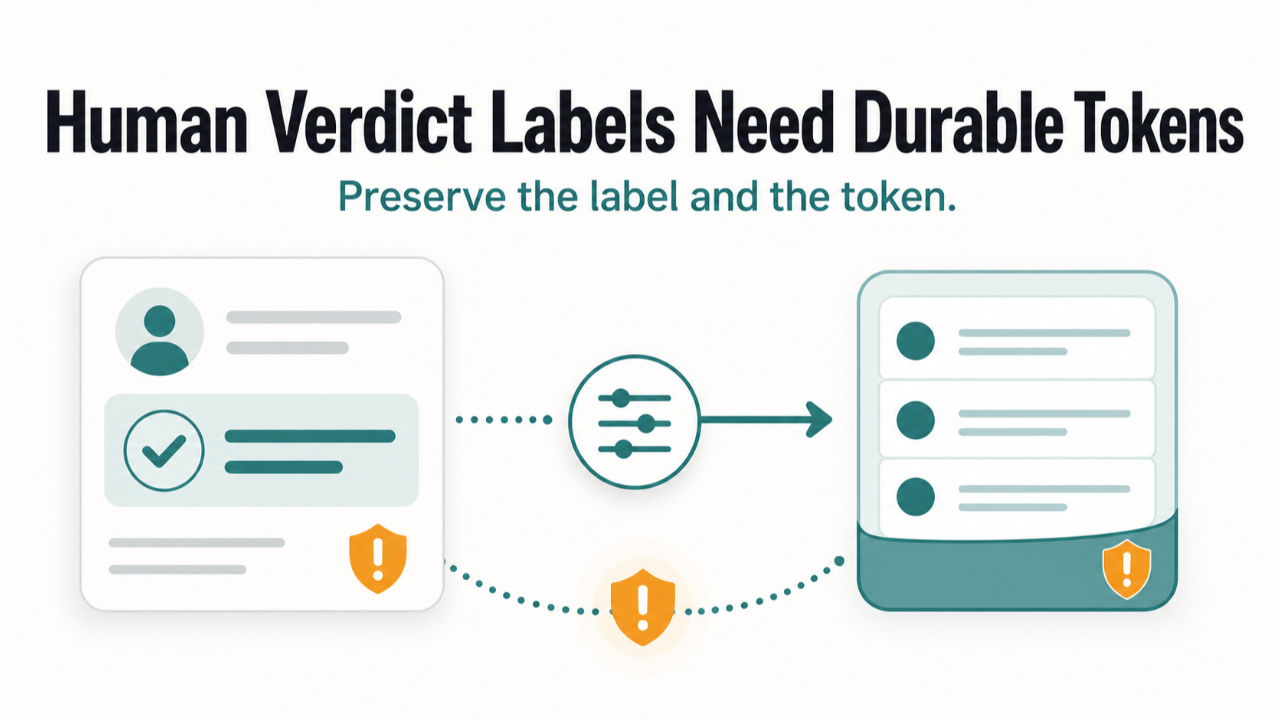
Some workflow failures look like parser bugs. The system sees a verdict, fails to route correctly, and the obvious suspicion is that the parser needs to be smarter.
Often the deeper problem is not parser capability. It is a loose contract between the text a human or model produces and the durable v...
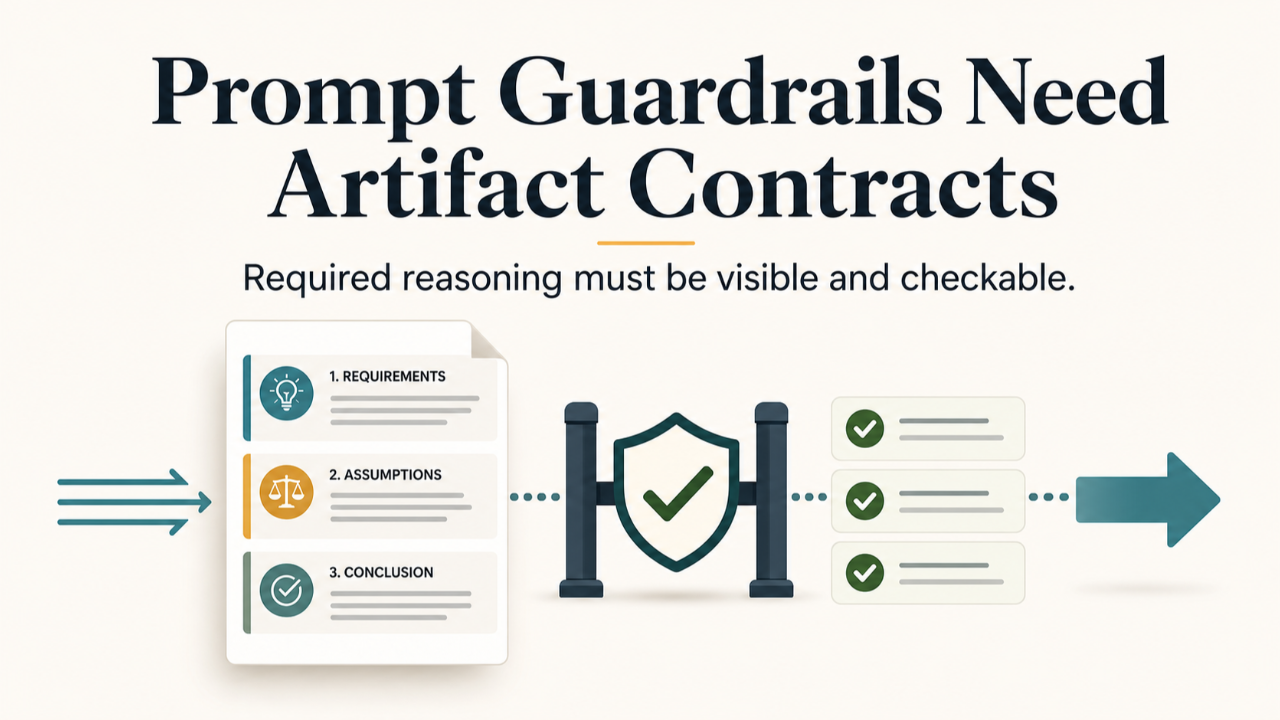
Important review obligations should not live only as prompt instructions. When a review artifact controls whether work moves forward, the required reasoning needs to be visible in the artifact and checked before advancement.
Opening
The easiest governance mistake in an AI-assisted workflow is to c...
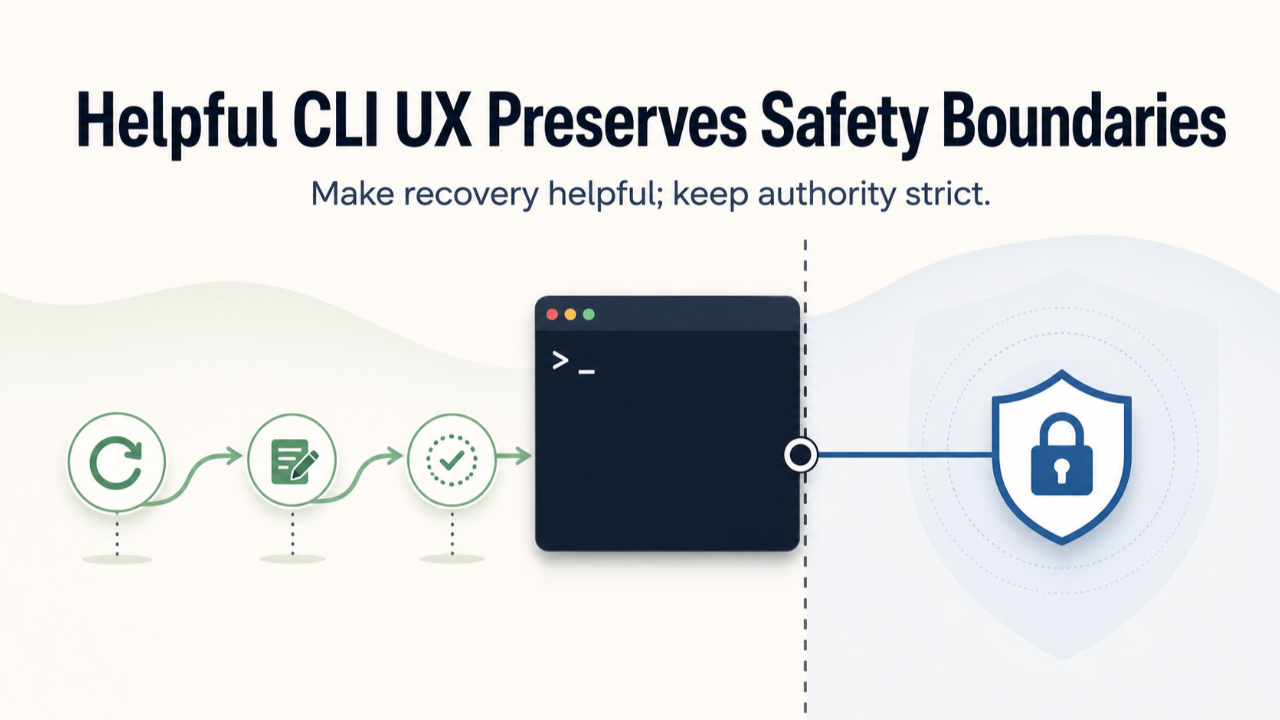
Some CLI improvements look like small quality-of-life fixes: better prompts, a retry loop, clearer editor instructions, a friendlier response to an invalid path.
But in an operational system, the first command a human touches is not just a convenience surface. It is a trust boundary.
If the comman...
