The entrepreneur always searches for change, responds to it, and exploit it as an OPPORTUNITY.
- Peter Drucker
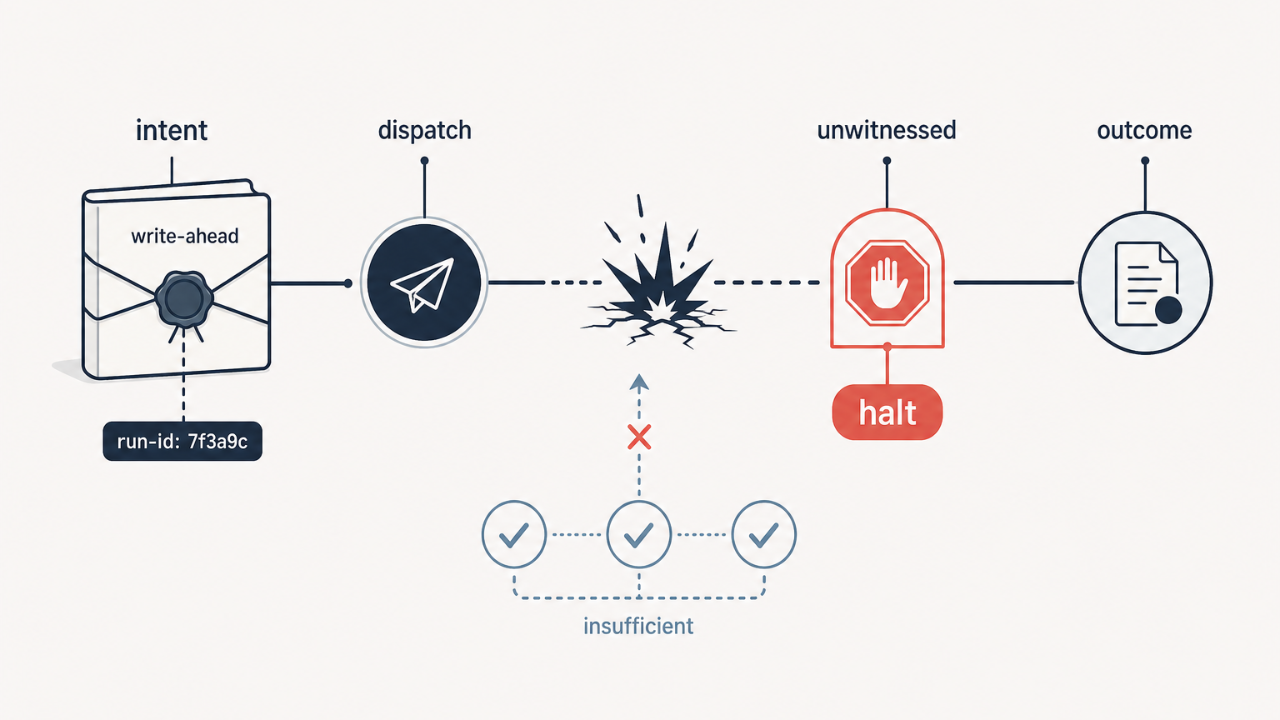
A terminal-native runner looks like a CLI task: parse flags, call a host, print a result. That framing hides the real problem. The surface sits beside lifecycle authority, process dispatch, durable operational records, and mutable worktrees. If it can start workspace-writing work, it needs a structu...
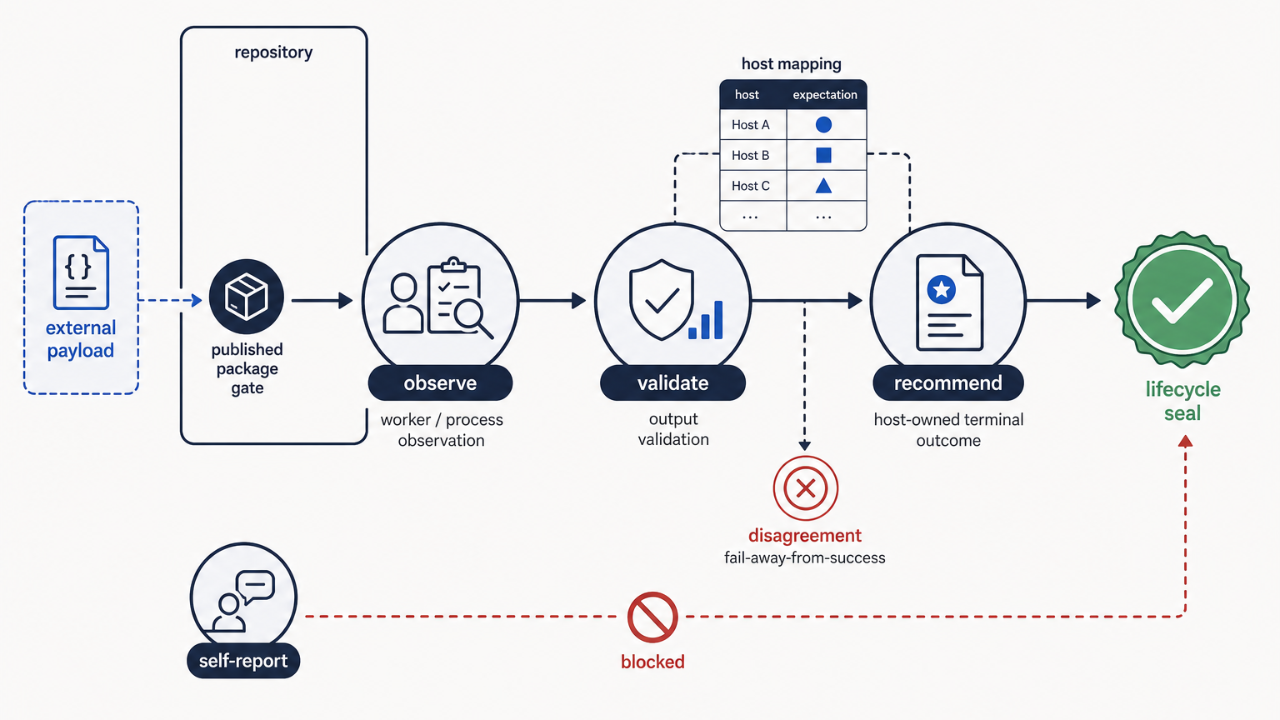
Adding a bounded AI worker looks like a subprocess feature. It rarely is. The real work is integrating package identity, lifecycle admission, host authority, provider capability enforcement, process supervision, payload storage, and empirical CLI behaviour — without turning the worker layer into a s...
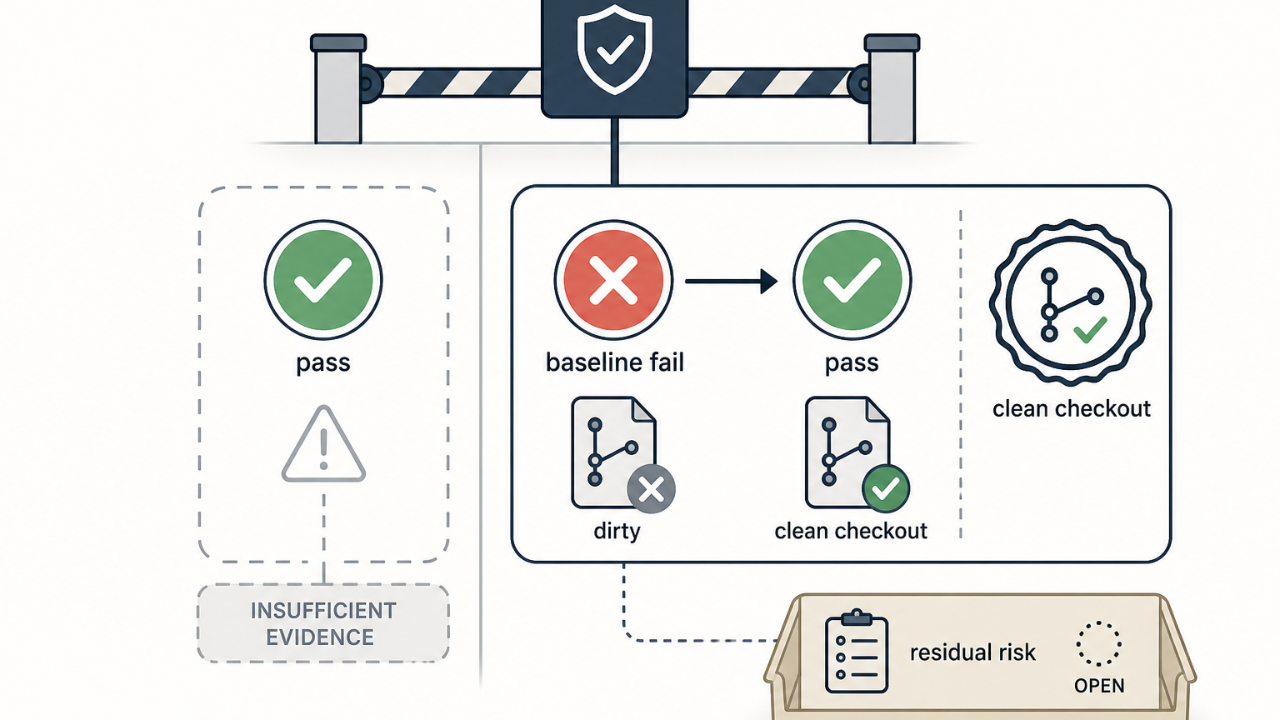
A control that has only ever returned green has not yet proven it can catch what it claims to catch. Passing results are necessary. They are not sufficient. The missing half is executable negative evidence: a mechanism that fails against the real unfixed baseline, runs on the content you claim to ha...
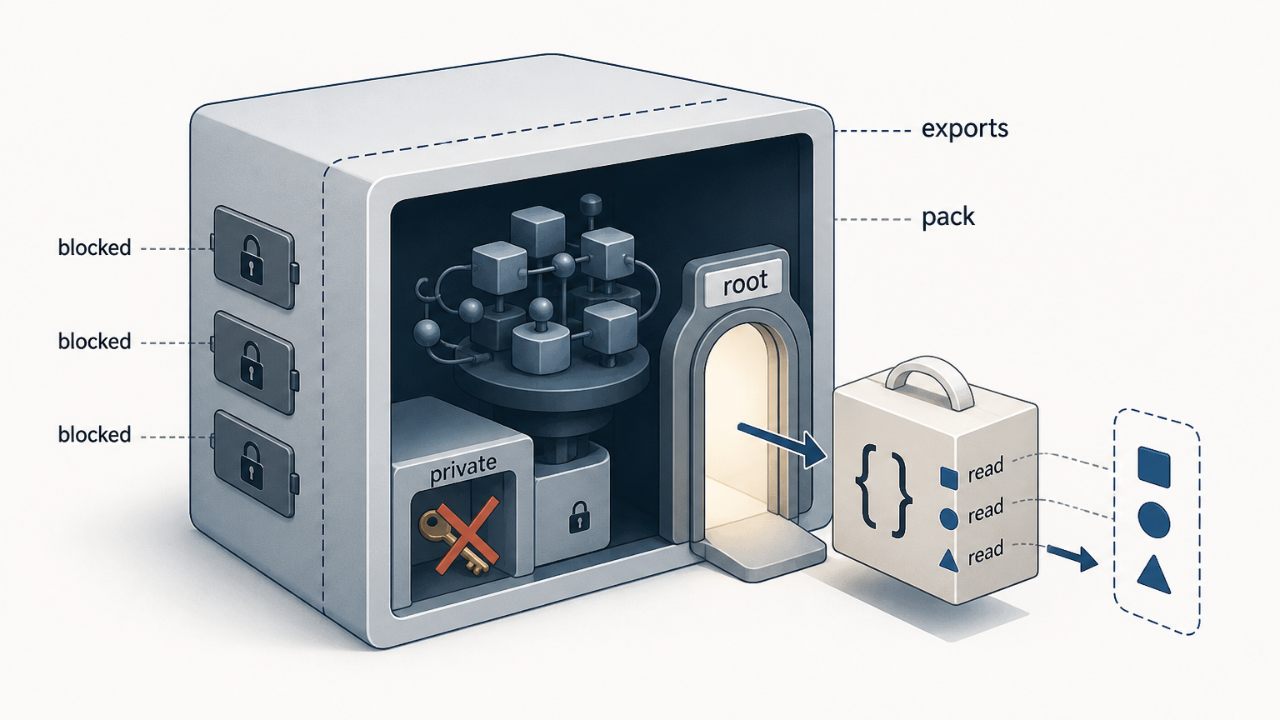
The failure that blocked a usable package was not a missing file export. It was structural: no root contract, no compiled output or declarations in the shipped artifact, and an install from the published tarball that could not run. Opening the existing engine barrel would have made the package “work...
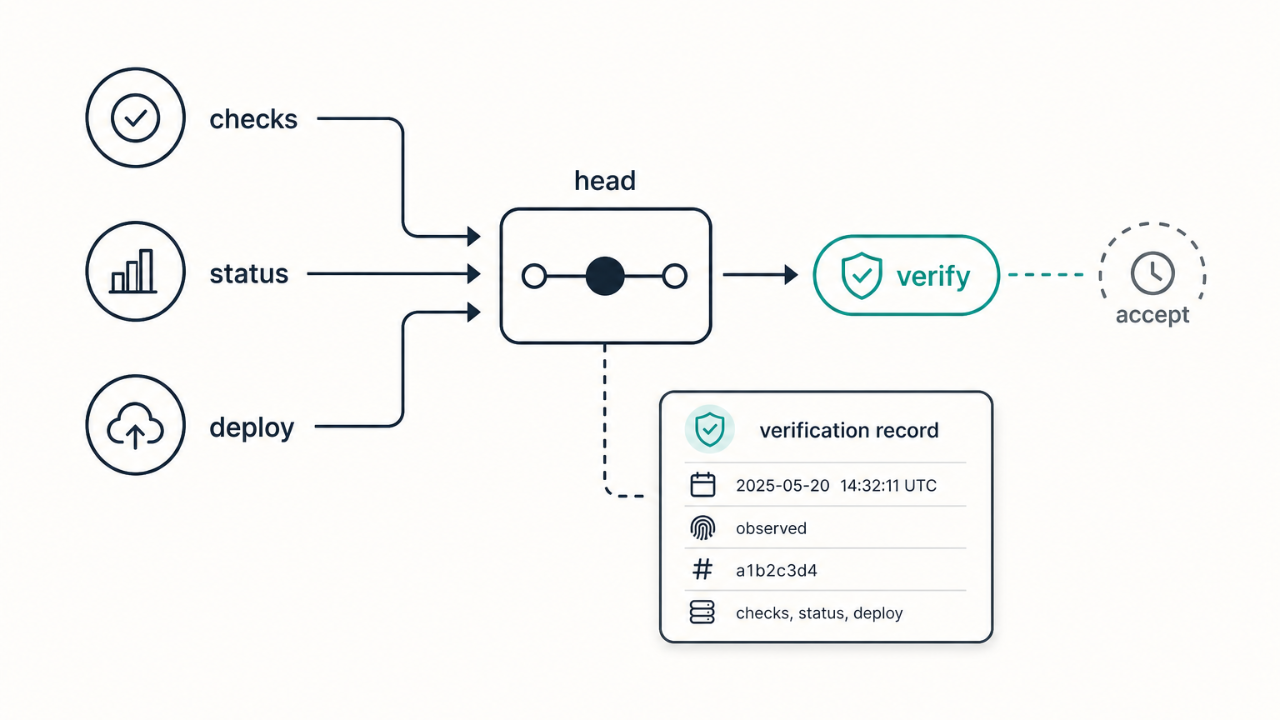
Automating the steps around a pull request looks like a sequence problem: prepare, open, verify. The real work is identity, external truth, evidence ordering, and authority. Get those wrong and you either block valid work forever or claim success you cannot defend.
The problem
The apparent task is...
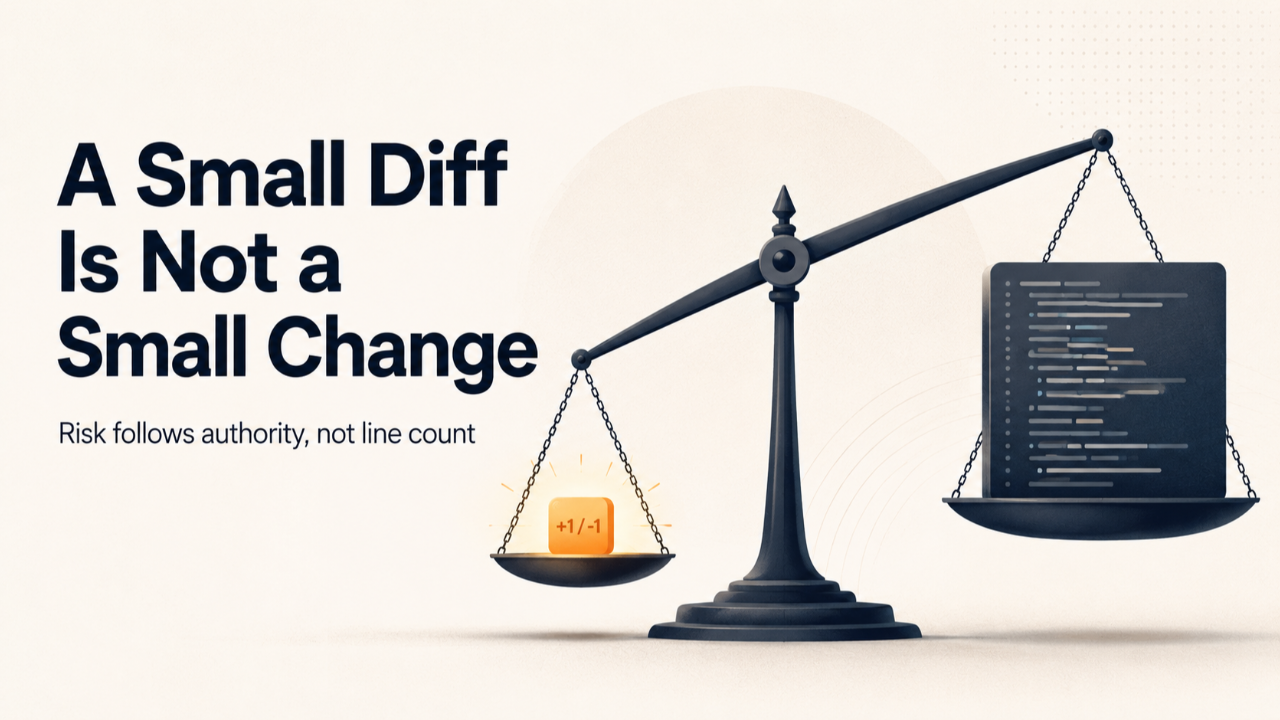
Most teams size their caution by the size of the change. A one-file edit gets a quick look; a thousand-line feature gets the careful review. That instinct is usually right, and occasionally dangerous. The amount of risk in a change is set by the authority it touches, not by how many lines it edits.
...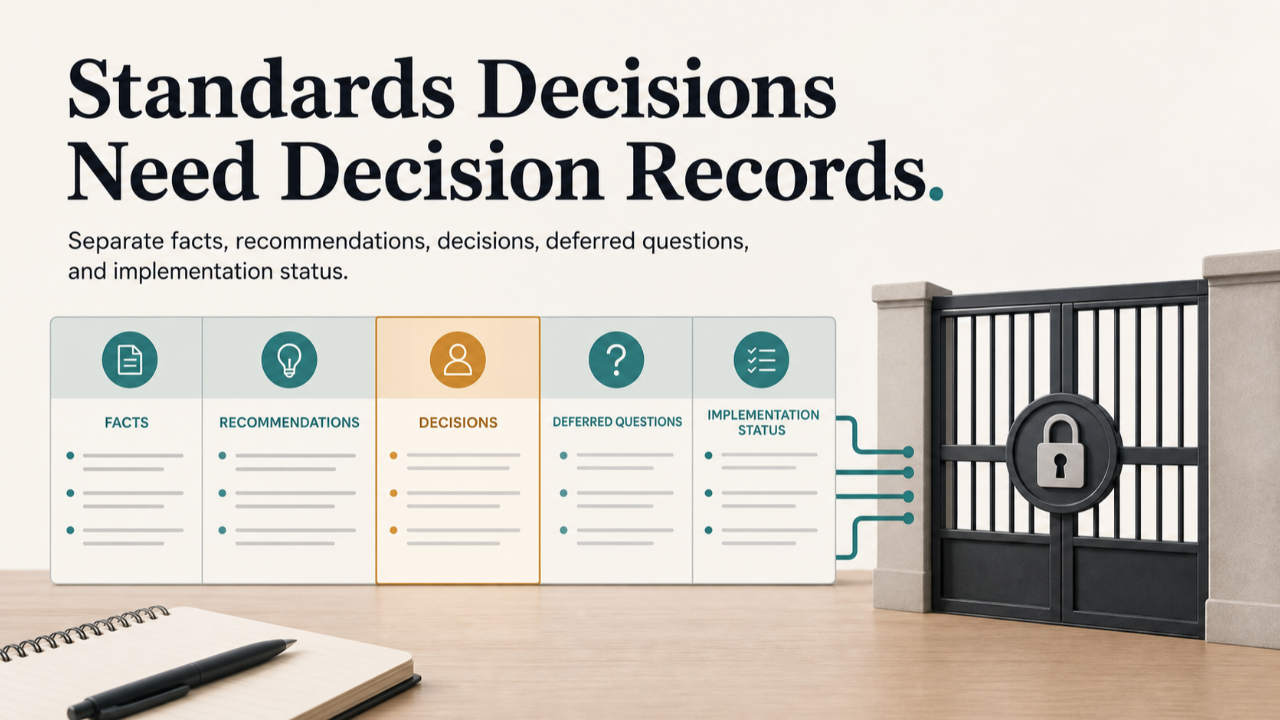
Engineering standards work can look like documentation, but it often carries policy weight. If a team records standards without separating evidence, recommendations, decisions, and implementation status, the document can accidentally turn drift into authority.
The problem
Teams often discover stan...
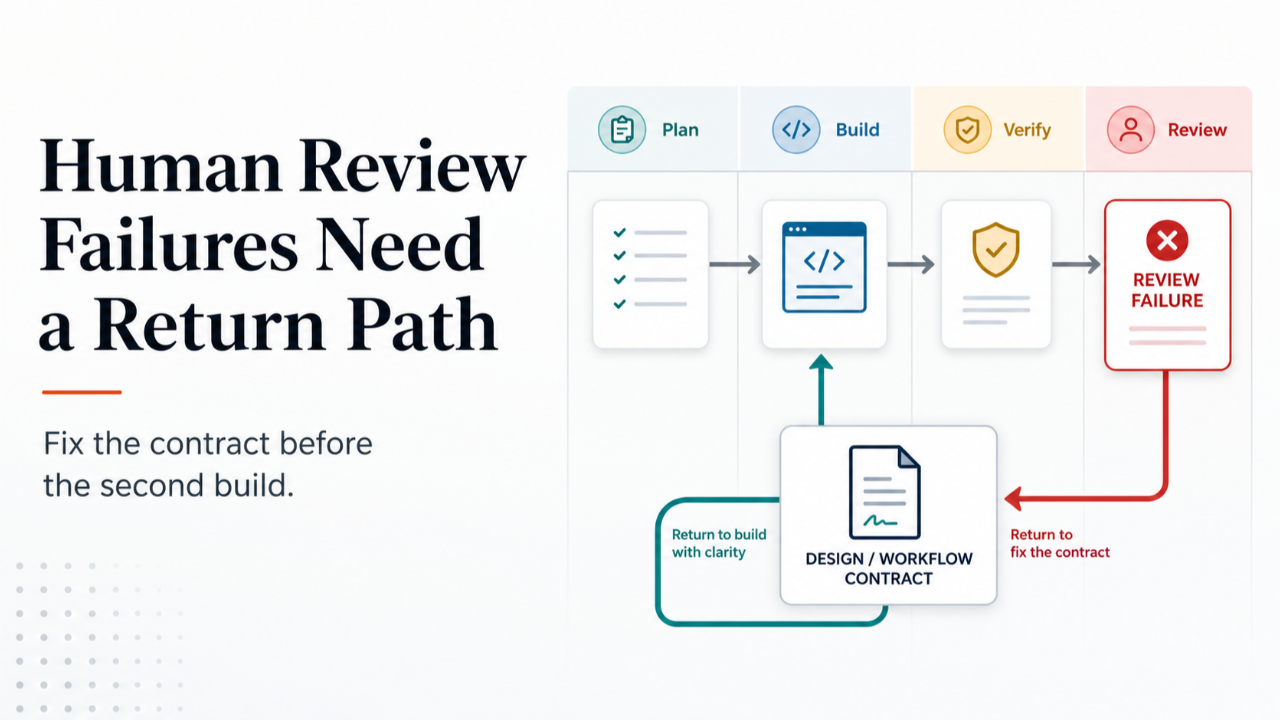
Opening
A small UI change can look finished in code and still fail in review.
The button moved. The dialog still opens. The old menu entry is gone. The tests pass far enough to show the behavior is wired.
Then someone looks at the actual screen and says: this does not feel consistent.
That is no...
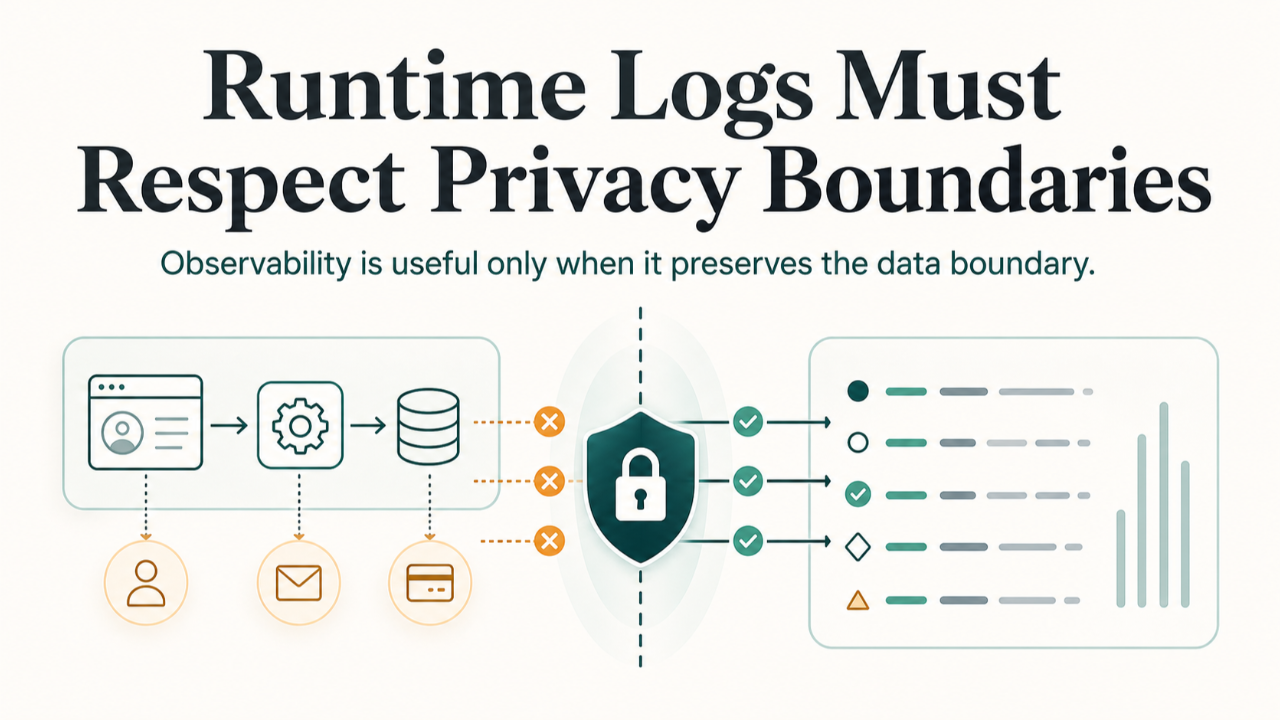
Logging cleanup sounds small until the logs sit inside authenticated product flows.
At that point, the question is not whether a message is noisy. It is whether runtime output can expose user-derived data, identifiers, records, transcriptions, generated content, invite details, metadata, or enough ...
